Automated room disinfection using an airborne process
Aerosol disinfection
Aerosol disinfection
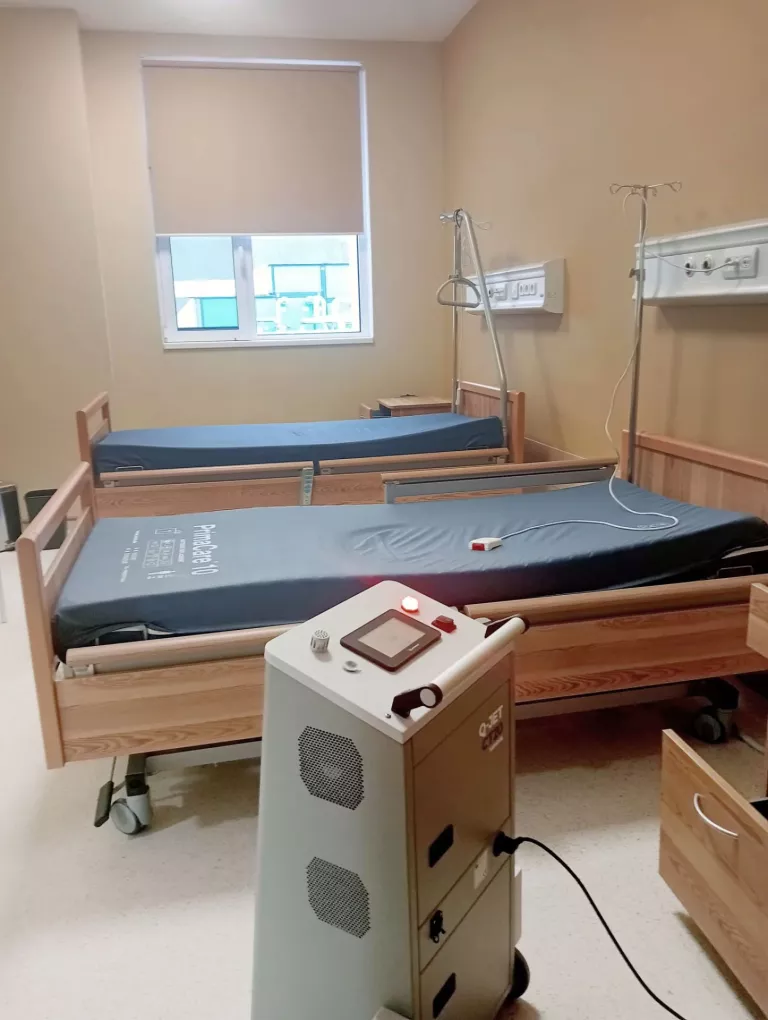
Aerosol disinfection has become an effective method for thoroughly disinfecting entire rooms and areas. It specifically addresses the increased hygiene requirements due to the rising spread of antibiotic-resistant germs. By releasing a fine disinfectant mist in the form of aerosols, the surfaces in a room, the air, and even hard-to-reach areas are quickly reached and freed from potentially harmful microorganisms. Aerosol disinfection provides an efficient supplement to traditional surface disinfection through manual wiping with disinfectant wipes.
This method does not replace manual disinfection but significantly extends its reach, including the air. This allows for targeted closure of disinfection gaps and a substantial reduction in the risk of infection. Experience with Sanosil disinfectants for whole-room aerosol disinfection spans over 25 years, during which the products have been used as private labels and brands with various devices.
Due to the enhanced efficacy of boosted hydrogen peroxide compared to standard H2O2 solutions, lower concentrations can be used while achieving similar effects. This results in comparable effectiveness but with much simpler and safer handling. This makes Sanosil aerosol disinfectants leaders in aerosol disinfection and aHP (aerosolized hydrogen peroxide) applications.
The DIN EN 17272 standard (and its predecessor AFNOR NFT 72-281) refers to a European standard method for testing the effectiveness of airborne surface disinfection systems. This test standard is exceptionally stringent and not easy to meet. It requires killing microbes, which are protected by a film of dried milk and fixed on steel plates, using an indirect spray method or aerosol within a defined time frame.
Approximately 70% of the available aerosol disinfection systems either do not meet the EN 17272 (or AFNOR NFT 72-281) requirements or have never been tested according to these standards. Critics argue that while these norms represent a quality benchmark for systems that meet these conditions, the challenging test conditions do not realistically reflect the reality of a thoroughly pre-cleaned room.
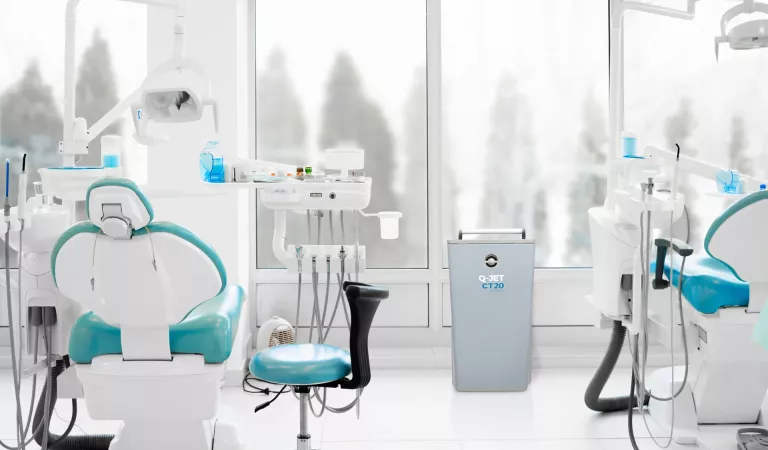
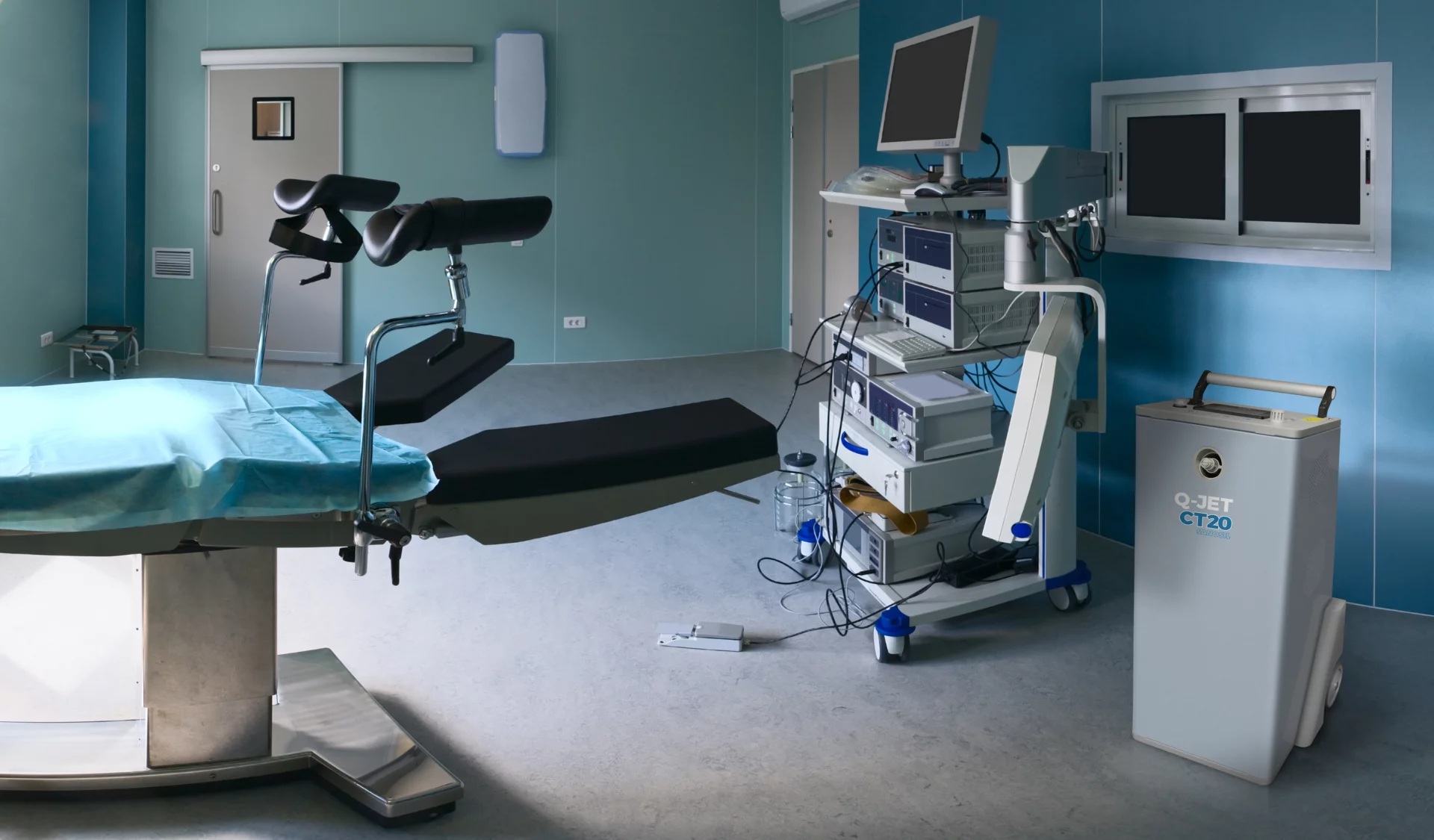
The Sanosil Q-Jet devices, along with the corresponding boosted hydrogen peroxide disinfectants, have been successfully tested according to these stringent quality standards. This means that the concept meets the highest requirements and can be used with confidence in sensitive hygiene areas.
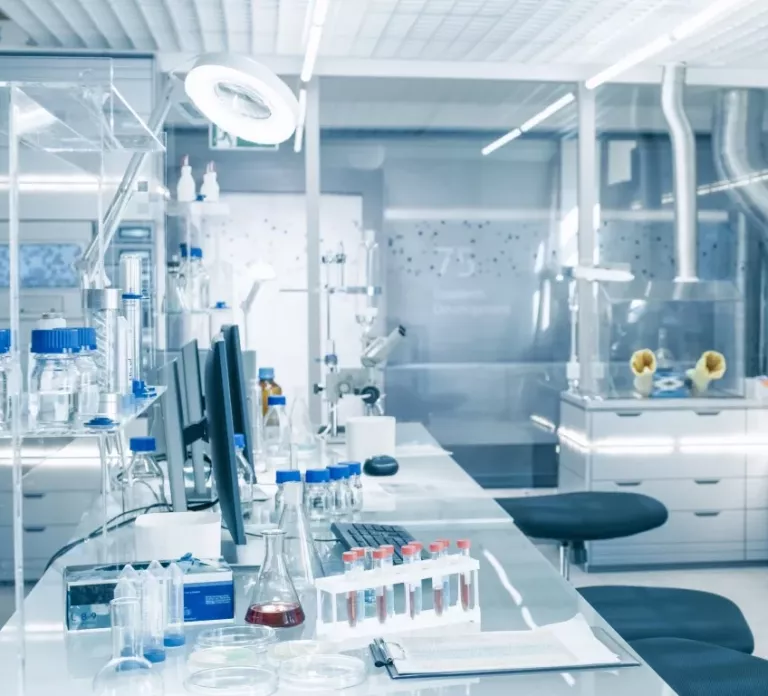
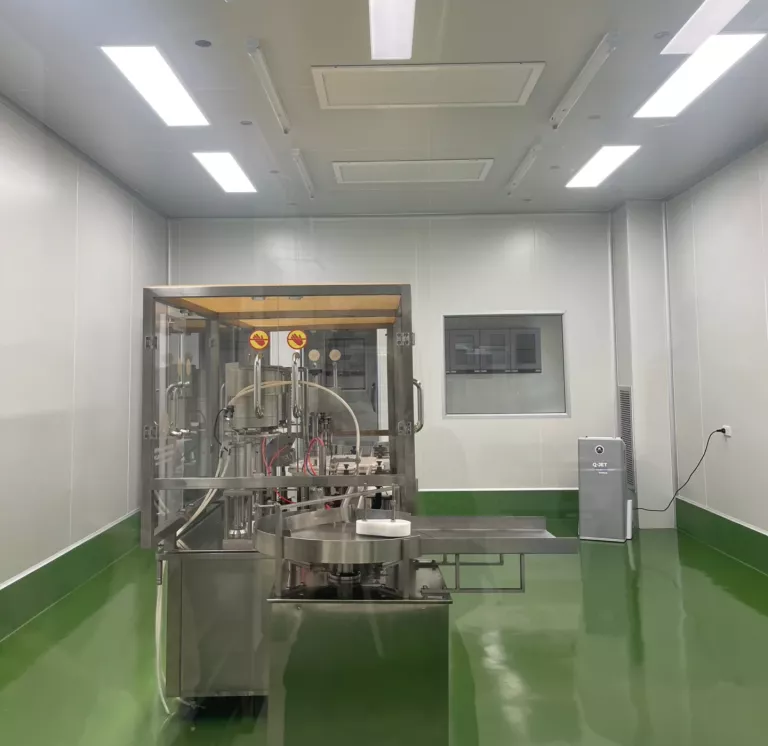
Basically, there are two different methods for using hydrogen peroxide for whole-room disinfection in spaces: nebulization (aerosolized hydrogen peroxide, aHP) and vaporization (vaporized hydrogen peroxide, VpHP). Both have their justification and specific advantages.
In the aerosol, cold mist, or aHP method, hydrogen peroxide is typically atomized into tiny, fine, and airborne droplets using a compressor and fine nozzle and/or through a turbine air flow, and blown into a room. When the corresponding conditions are adhered to, these aerosols distribute evenly in the room, thus reducing germs on all surfaces and in the air.
In contrast to vaporized hydrogen peroxide, aerosols generally penetrate surfaces to a slightly greater depth. However, a potential disadvantage is that the disinfectant droplets may follow a certain directional flight path after leaving the nozzle before dispersing into the room air. If the device is not correctly positioned and the distance between the nozzle and walls or furniture is too short, these aerosols may tend to distribute more difficultly. Therefore, the aerosol vHP method is mainly suitable for treating rooms above a certain minimum size (rule of thumb: from 4m3).
In recent times, the topic of „automatic room disinfection“ has garnered significant attention. This is partly due to the increasing prevalence of antibiotic-resistant bacteria and, of course, the COVID-19 pandemic. As a result of market demand, this has led to numerous more or less innovative developments, including the now popular „disinfection robots“ equipped with powerful UV lamps. The promise from manufacturers: Rapid room disinfection without any chemical residue.
Due to the vigorous marketing of UV-C devices, established and proven technologies like aerosol disinfection with hydrogen peroxide have faced a certain amount of scrutiny. Is this justified? No, of course not! Room disinfection with hydrogen peroxide (aHP or vHP) naturally takes longer than UV-C disinfection. On one hand, a certain concentration of H2O2 needs to be achieved in the room air and maintained for a period of time. On the other hand, hydrogen peroxide must break down into water and oxygen after disinfection before the room can be reused. Therefore, a proper aerosol disinfection typically takes (regardless of the device or manufacturer) rarely less than 120 minutes. UV-C room disinfection is therefore faster. Under optimal conditions, exposure to strong radiation for a few seconds is enough to inactivate many germs. After turning off the device, the room can be immediately used again. However, UV-C disinfection is not a „miracle weapon.“
While H2O2 aerosols cover all areas in a room without gaps, a small shadow is enough to render UV-C treatment on the affected surface ineffective. Additionally, the penetration depth of UV rays is severely limited. Even tiny contaminants are sufficient to protect germs from the procedure. Therefore, the UV-C device can only utilize its full capacity under perfectly clean conditions. It should also be noted that UV-C does not affect bacterial endospores, unlike Sanosil Q-Jet aHP devices, which are regularly validated and tested for effectiveness using spore-containing bioindicators during operation.
Lastly, the often-quoted savings purportedly achieved by UV-C devices through not requiring disinfectant are offset, at the latest, when the high power consumption and regular replacement of UV lamps are taken into account.
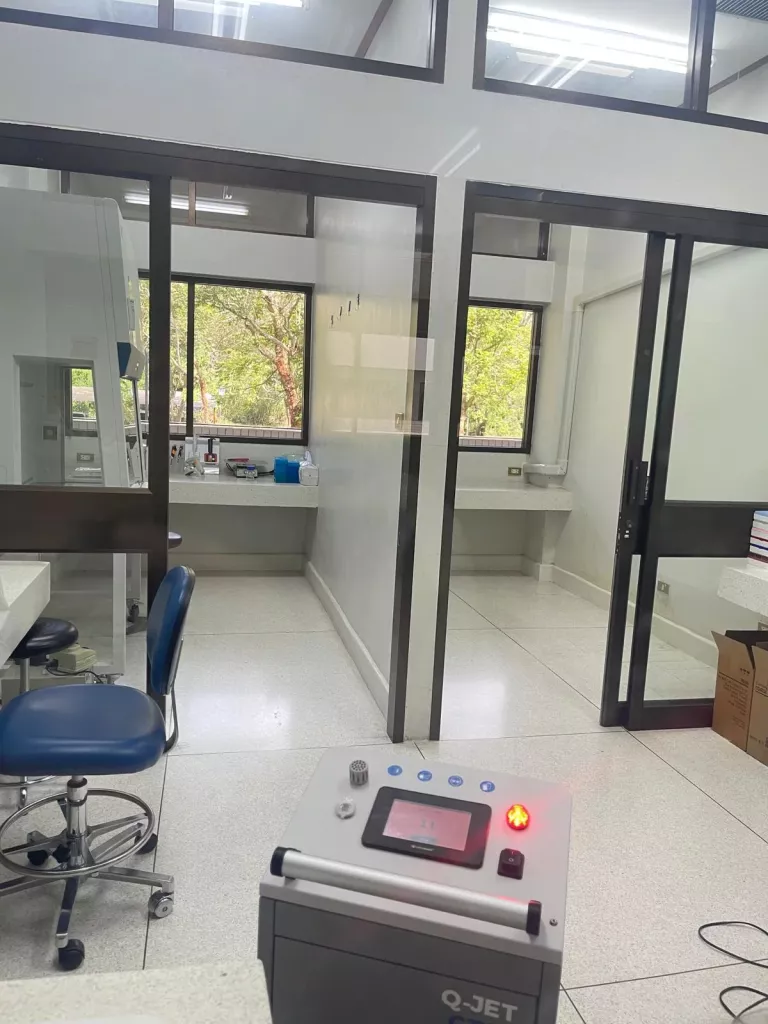
Hydrogen peroxide provides broad-spectrum efficacy against bacteria, viruses, and fungi while leaving no harmful residues. It is environmentally friendly, safe when applied correctly, and compatible with most materials.
Sanosil combines high-purity hydrogen peroxide with catalytic silver or surfactants in an optimized formulation. This synergy ensures superior microbial kill rates, and proven reliability in medical, food, and facility applications, all Swiss-made under ISO 9001 or even ISO 13485 standards.
No. The room must remain unoccupied during disinfection, as temporary H₂O₂ levels in the air exceed occupational exposure limits. Entry is safe only after the contact time.
Sanosil S015:
Hydrogen peroxide and silver ions remain bound together as microscopic droplets that float through the air, settle on surfaces, and disinfect. The hydrogen peroxide then decomposes completely into water and oxygen, while ultra-low traces of silver remain safely bound to the surface.
Sanosil QDis 8:
Hydrogen peroxide is combined with surfactants that improve wetting and surface coverage. After application, the hydrogen peroxide decomposes into water and oxygen, leaving the surface clean and residue-free.
Sanosil S015:
No. Silver is not released as dust or powder; it settles together with the water phase and adheres firmly to the treated surfaces.
Sanosil QDis 8:
No. The hydrogen peroxide decomposes rapidly, and the minimal amount of surfactant remains on the surface in a non-hazardous, easy-to-wipe-off form.
No when applied correctly. The silver content is extremely low and non-conductive at these levels. Even after many disinfection cycles, there is no risk of corrosion or electronic malfunction.
Practically none. Over 99.99% of the product decomposes into water and oxygen, leaving only a microscopic amount of silver – less than the weight of a grain of sand per square meter.
No, usually not entirely. Aerosol disinfection complements, but does not replace, classic cleaning and surface disinfection. It provides complete 3D coverage and an additional safety level against airborne and surface pathogens.
EN 17272 (formerly AFNOR NF T 72-281) is the European reference standard for airborne surface disinfection systems. It verifies proven efficacy even under demanding test conditions. Sanosil Q-Jet systems with Sanosil S015 have successfully passed this test.
To meet EN 17272 (AFNOR NF T 72-281) conditions, higher concentrations of hydrogen peroxide are required. This ensures strong efficacy but extends the room re-entry time. The best results come from combining manual and aerosol methods.
Only partly. Such low amounts may show limited results on clean surfaces with easy-to-kill microbes. Some competitors claim effectiveness at these low dosages, but for reliable disinfection and full EN 17272 compliance, a higher dosage and ≥ 5% H₂O₂ concentration are essential.
Depending on dosage and ventilation, rooms can usually be re-entered after about 2 hours, once hydrogen peroxide has decomposed into water and oxygen.
Hydrogen peroxide ensures broad-spectrum efficacy, complete residue-free decomposition, and excellent material compatibility – far safer and cleaner than chlorine- or alcohol-based systems.
Our core competencies include the manufacturing and application consulting of disinfection products for water systems, surfaces, and air (complete room disinfection).